Production and details
Define the decision
The subject “Yarn count and ply for knitted blankets” should begin with a use case and a measurable outcome, not with a reference image alone. Specify the audience, sales channel, expected wear, price tier and non-negotiable constraints. This gives the manufacturer enough context to propose a construction that solves the commercial task rather than merely copying a look.
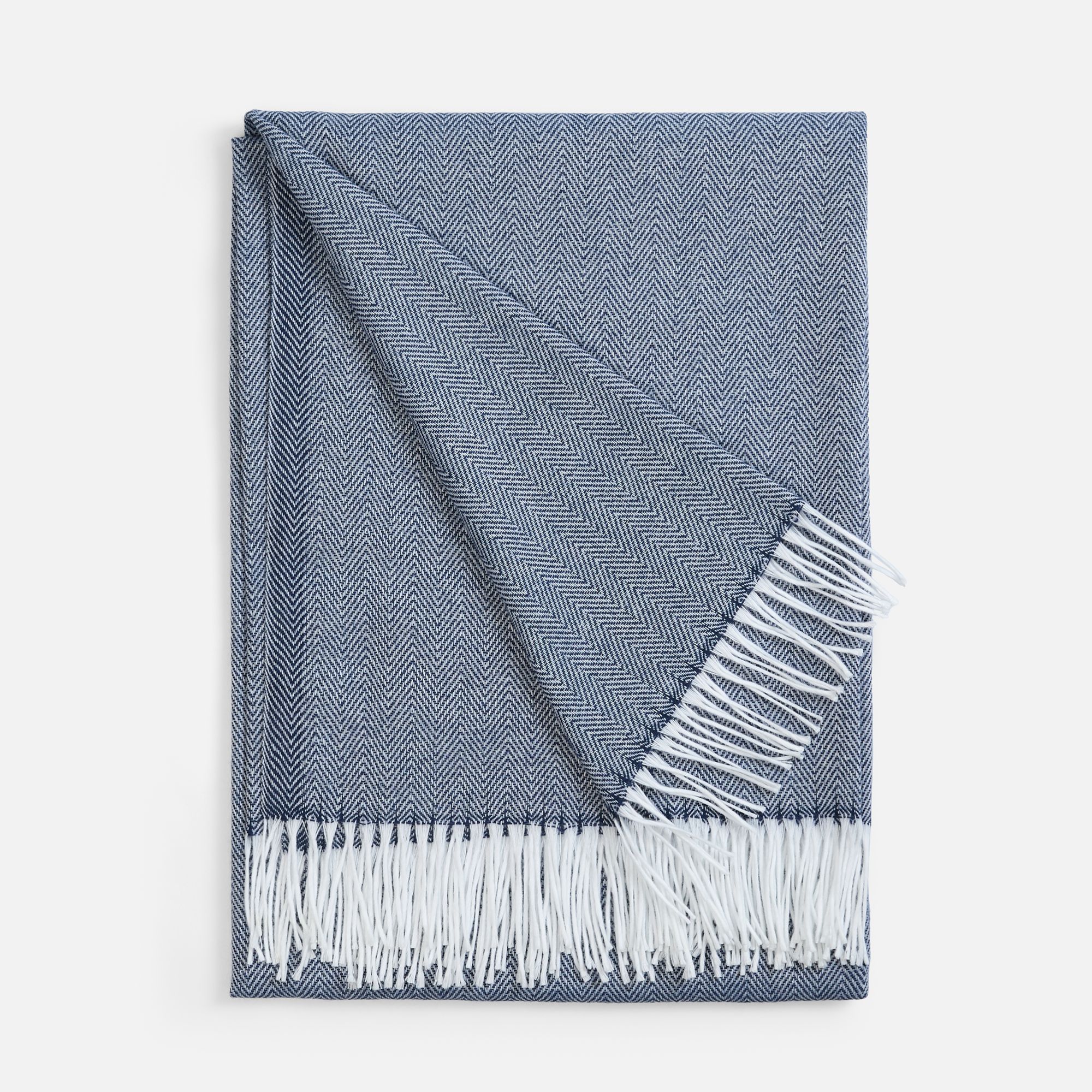
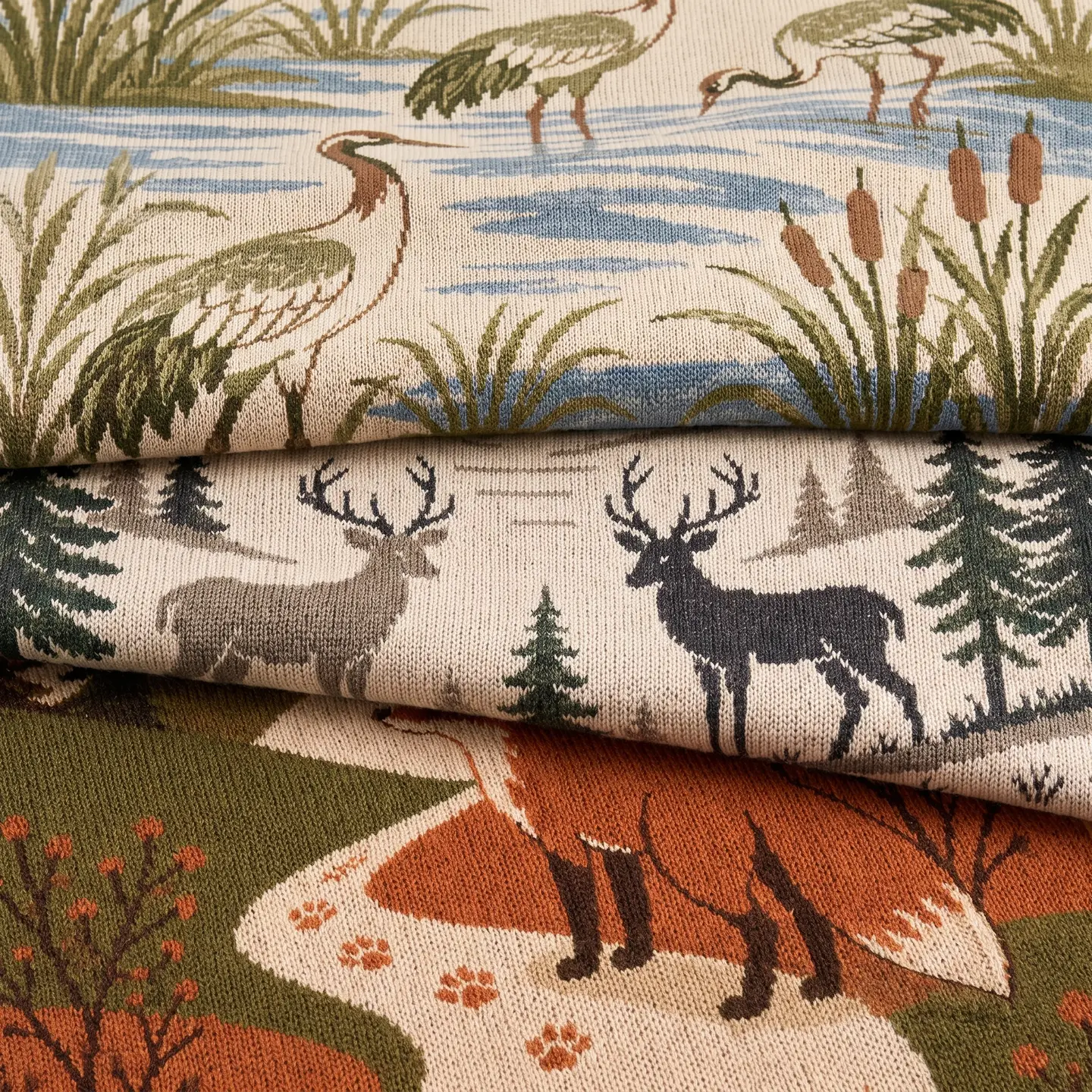
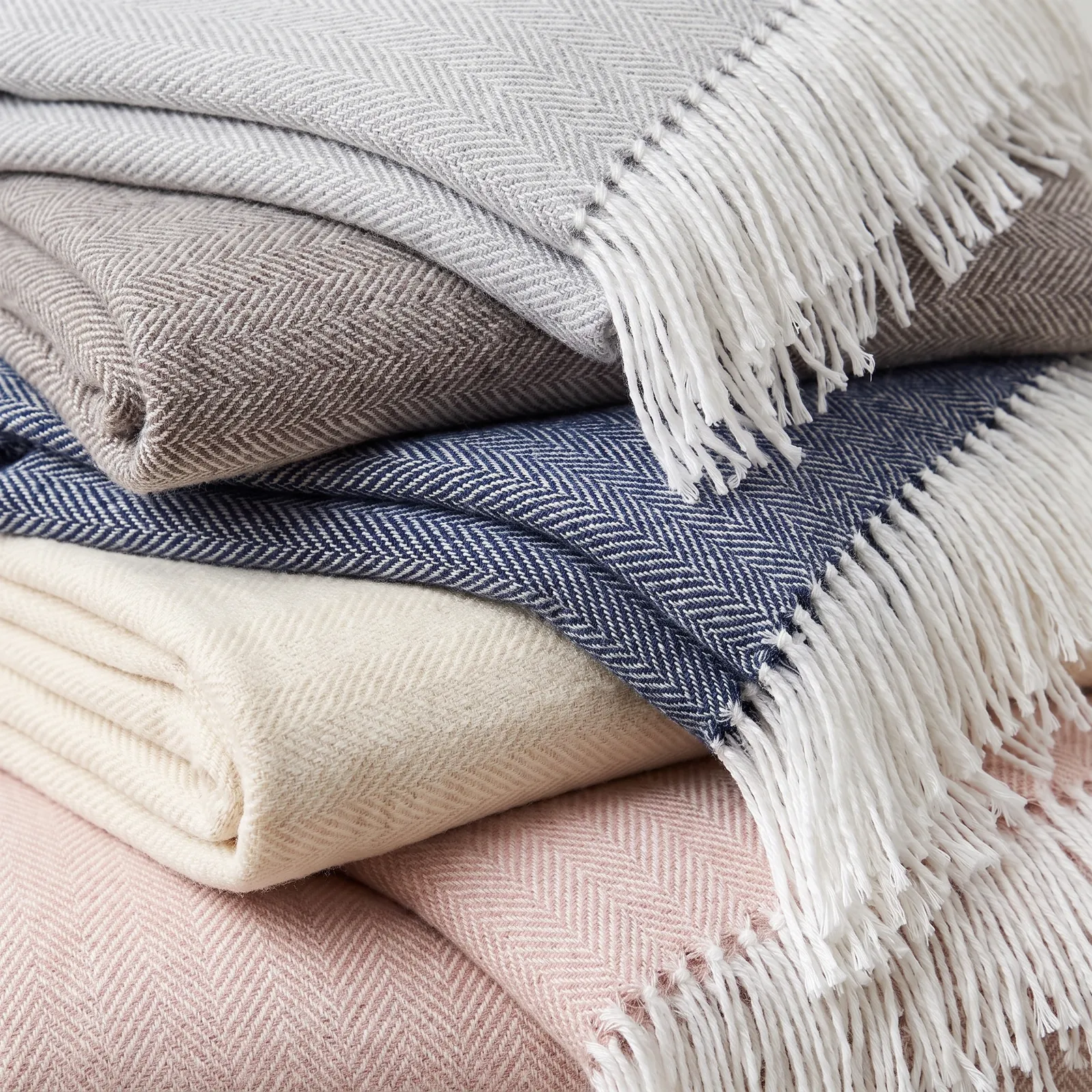
For “Yarn count and ply for knitted blankets”, the starting parameters define the whole specification. A useful brief records fibre content, yarn count and twist, density, hand feel, care and supply continuity. These variables interact: a yarn change affects density and colour, a new size changes consumption, and finer artwork requires a legibility test. WARM BLEND is useful for visual direction, but the approval sample remains the production reference.
Agree the specification before pricing
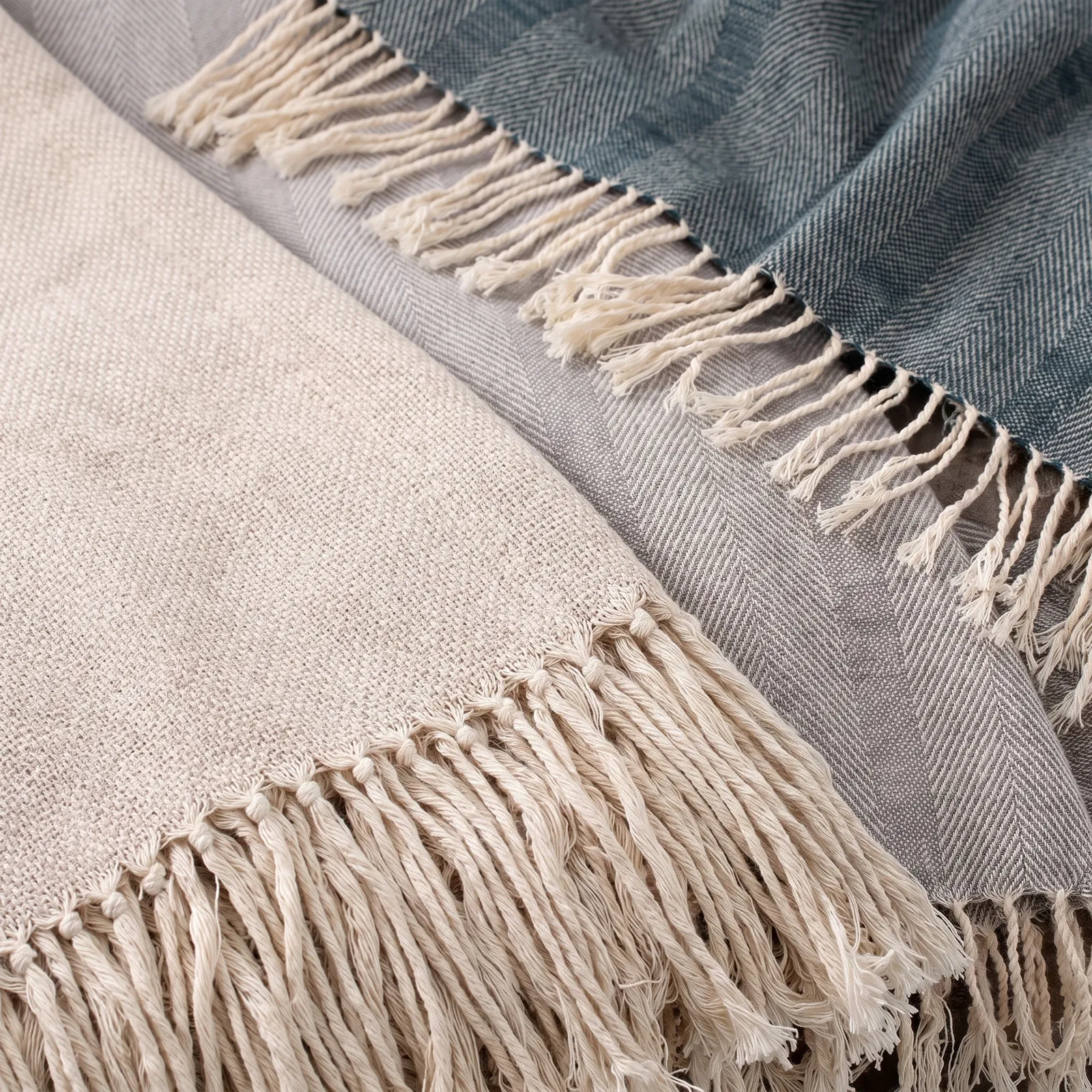
A reliable quotation for “Yarn count and ply for knitted blankets” requires size, composition, number of colours, quantity, packaging and destination. Words such as “premium” or “like the photo” must be translated into verifiable features: density, edge finish, label format, dimensional tolerance and folded presentation.
In “Yarn count and ply for knitted blankets”, this choice is verified on a physical sample. Compare suppliers against the same specification. A low unit price may exclude programming, sampling, custom packaging or batch inspection. The guide Acrylic blankets in custom production helps separate essential requirements from options that can be postponed to a later run.
| Parameter | What to verify | Why it matters |
|---|---|---|
| Use case | Sales channel and expected use | Defines material, size and packaging |
| Standard | Approved sample and palette | Reduces ambiguity at acceptance |
| Tolerances | Size, colour and motif placement | Makes quality measurable |
| Logistics | Carton, weight, destination and terms | Enables landed-cost calculation |
From brief to production
In the production route for “Yarn count and ply for knitted blankets”, every handover needs a document or an approved sample. After the brief, the designer adapts artwork for knitting, the technician prepares the program, and production confirms yarn and colour interaction. The approval sample is not only visual: it is used to check dimensions, edge, reverse side, hand feel, motif placement and behaviour after the recommended care cycle.
For a production run related to “Yarn count and ply for knitted blankets”, verbal approval cannot replace the retained standard. Once approved in writing, the sample and specification become the batch standard. KNITFORM manufactures in Armenia from 100 pieces; the schedule covers preparation, knitting, assembly, inspection, packing and carrier handover. Complex orders need a time reserve before the seasonal peak.
Quality control and tolerances
Quality in “Yarn count and ply for knitted blankets” cannot be reduced to one adjective or a single weight figure. The control plan should cover approved colour, fabric consistency, missed stitches, dimensions, edge finish, artwork legibility and folded appearance. The method and tolerance for every critical point must be agreed before bulk production.
Acceptance criteria for “Yarn count and ply for knitted blankets” are agreed before inspection. Colour is assessed under stable neutral light and dimensions are measured with one documented method. Defects can be classified as critical, major or cosmetic to reduce ambiguity at acceptance. The article How to choose premium yarn for blankets explains the same control logic from another practical angle.
Economics and risk
In the economics of “Yarn count and ply for knitted blankets”, the comparison basis must be agreed before quotations are reviewed. The true cost includes more than knitting: artwork preparation, sampling, yarn consumption, program complexity, manual finishing, labels, packaging, international freight and possible import charges. Compare landed unit cost rather than factory price alone.
The main risks around “Yarn count and ply for knitted blankets” are late artwork changes, an unapproved palette, no physical standard and ordering too close to peak season. Stage approvals reduce these risks. For repeat orders, retain yarn codes, program version, packaging specification and the approved sample.
Practical conclusion
For “Yarn count and ply for knitted blankets”, practical performance should be tested before the batch is released. The best solution is not necessarily the most complex one. It must be repeatable across the batch, understandable to the buyer, appropriate for the sales channel and resilient in real use. If a parameter cannot be checked on a sample or written into a specification, it has not been reliably approved.
For “Yarn count and ply for knitted blankets”, the next step is a concise brief with two or three priority criteria. The manufacturer can then recommend material, construction and palette, followed by a physical sample. This sequence protects the design intent while controlling lead time, budget and quality.
- Define use case and target price
- Approve size, material and colour count
- Supply vector artwork and brand guide
- Review a physical sample under neutral light
- Agree tolerances, labels and packaging
- Confirm lead time and landed cost
FAQ
What is the minimum order?
KNITFORM custom production starts from 100 pieces.
Is an approval sample necessary?
It is recommended for a new design because it fixes colour, size, edge, texture and motif placement.
How many colours are possible?
A jacquard blanket normally uses up to four colours in one product.
Where is the order produced?
Production is based in Armenia, with delivery to Europe, the USA and CIS countries.
Sources and editorial basis
- KNITFORM — Reviewed by the KNITFORM production team, 2026.
- KNITFORM yarn and colour specification
- KNITFORM production cases and finished products
Technical and regulatory requirements must be rechecked for the specific product, market and shipment date.
Yarn count and ply for knitted blankets
Discuss a project