Why it matters
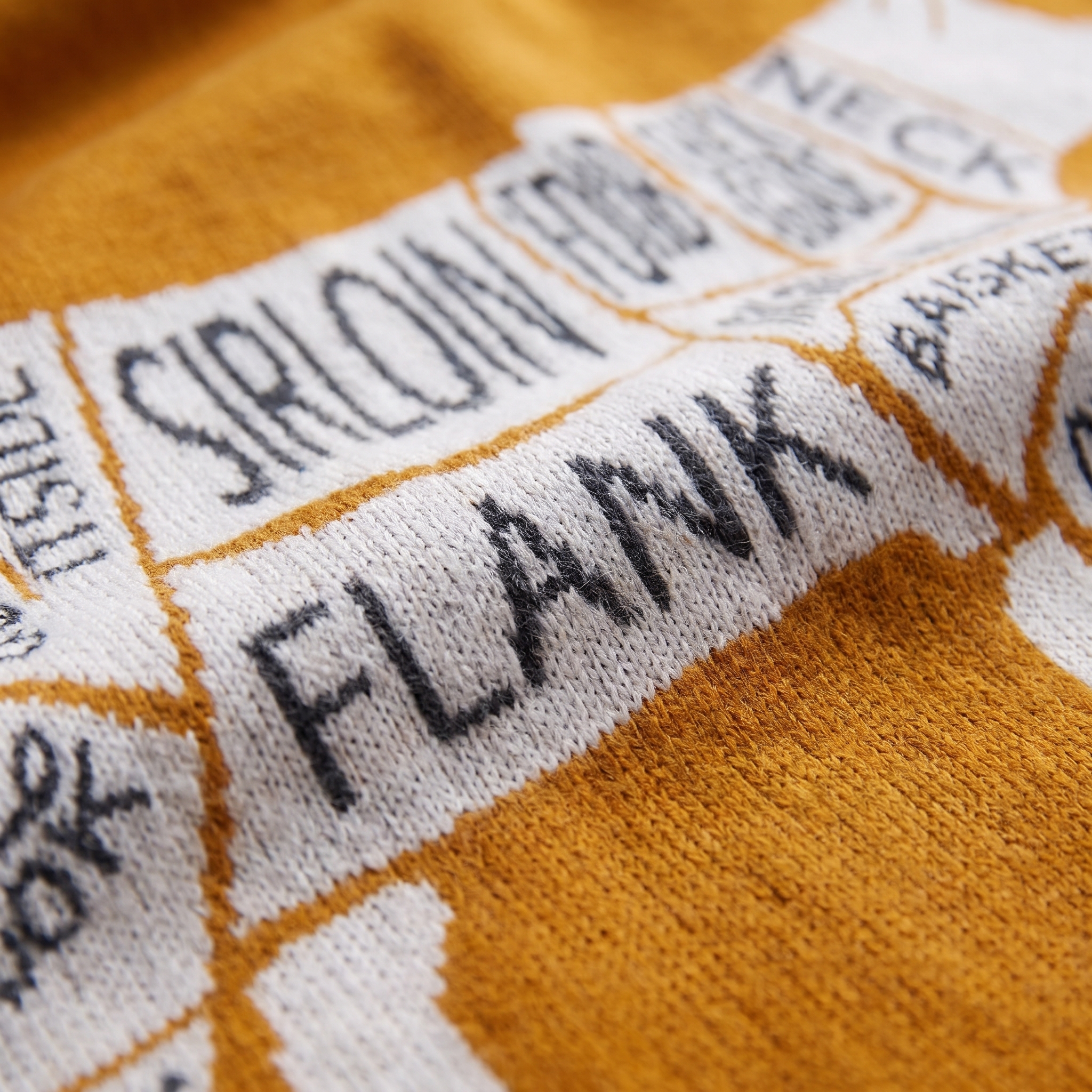
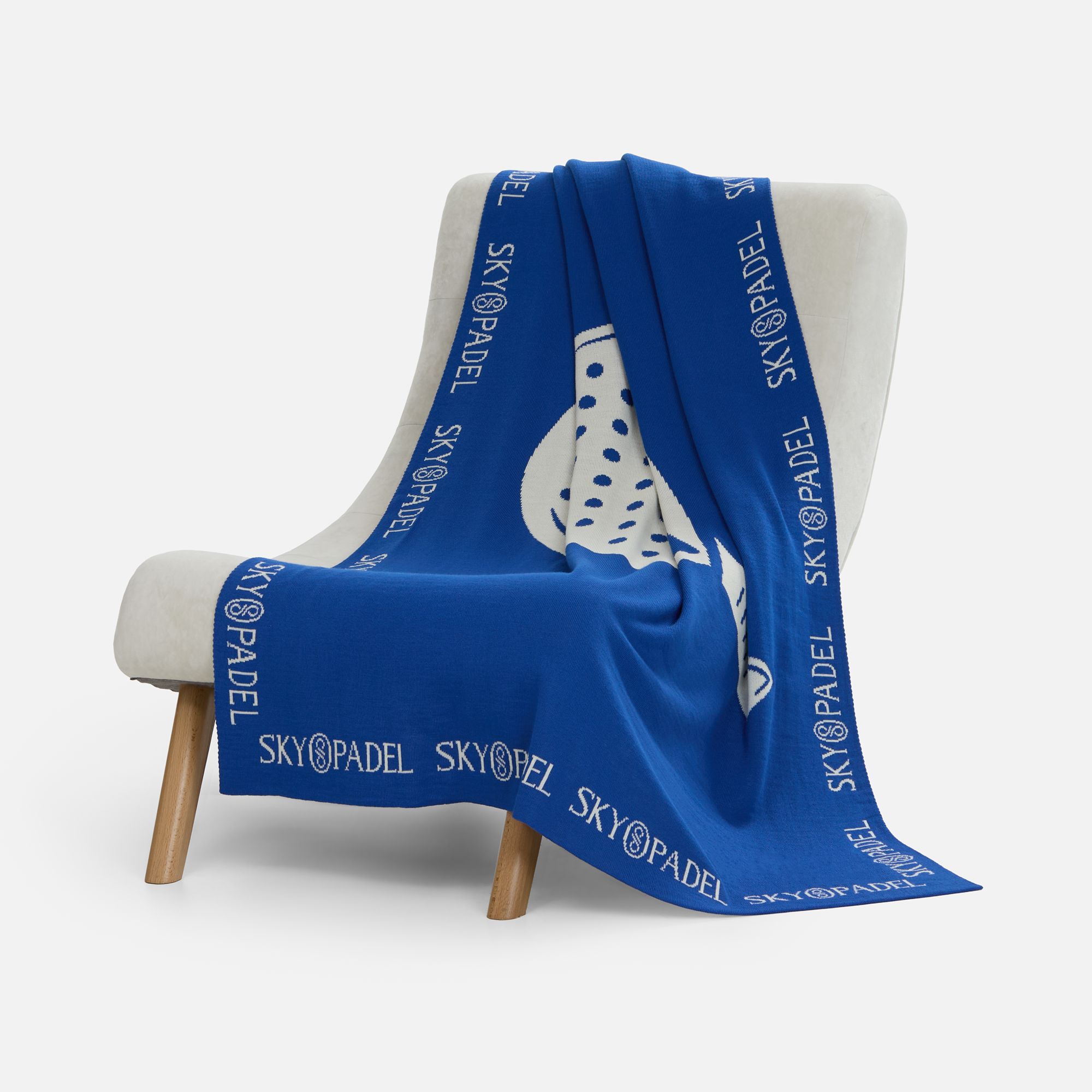
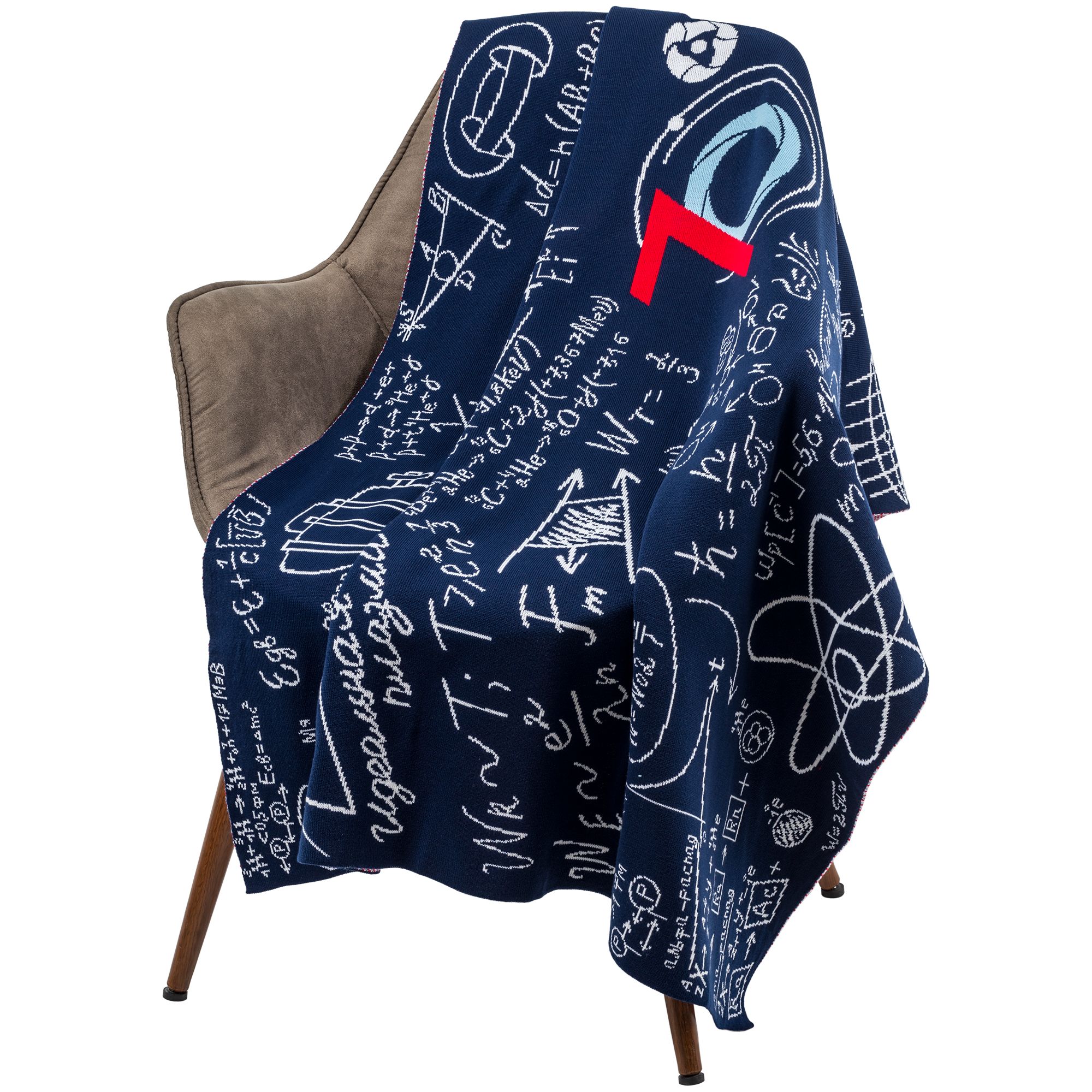
A knitted blanket is not a printed surface. The motif is built by yarn during knitting, so every logo, line and color needs to be adapted to the structure of loops. These criteria are applied to “What computerized knitting machines can do” and must be confirmed against the approved sample.
Production decisions
Material, gauge, number of colors, size, edge finishing, labels and packaging all influence the final look, timing and budget. For corporate orders we clarify these points before production starts. These criteria are applied to “What computerized knitting machines can do” and must be confirmed against the approved sample.
How KNITFORM works
We prepare the technical layout, select yarn and colors, confirm details, produce the run and organize international delivery from Armenia.
Practical specification
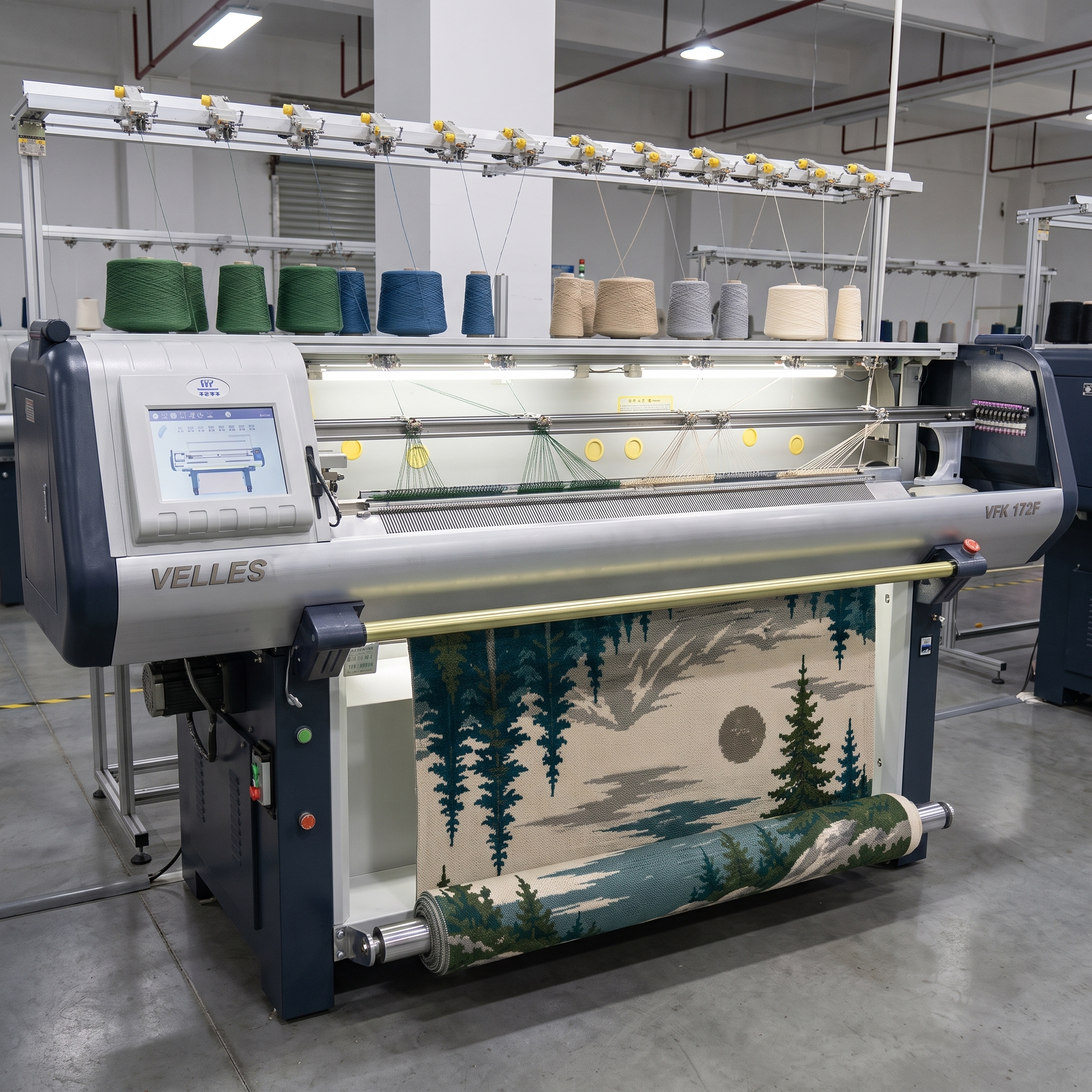
For “What computerized knitting machines can do”, equipment should be assessed as a system: gauge, working width, yarn carriers, compatible yarn, tension control, programming and service support. Published speed does not represent real output when artwork complexity, colour changes and inspection time are included, so the decision must be validated on an actual knitted panel.
The technical brief should record artwork detail, density, repeat size and the permitted difference between the approval sample and the batch. This makes technology options comparable and reveals whether the artwork, yarn or production schedule needs adjustment before a commercial order is placed. These criteria are applied to “What computerized knitting machines can do” and must be confirmed against the approved sample.
Before “What computerized knitting machines can do” moves into production, the buyer and factory should approve one document covering parameters, tolerances, owners and control dates. This reduces ambiguity during sample approval and final inspection.
KNITFORM collections · Production cases · Industrial knitting machines
Production and details
| Parameter | What to verify | Why it matters |
|---|---|---|
| Use case | Sales channel and expected use | Defines material, size and packaging |
| Standard | Approved sample and palette | Reduces ambiguity at acceptance |
| Tolerances | Size, colour and motif placement | Makes quality measurable |
| Logistics | Carton, weight, destination and terms | Enables landed-cost calculation |
- Define use case and target price
- Approve size, material and colour count
- Supply vector artwork and brand guide
- Review a physical sample under neutral light
- Agree tolerances, labels and packaging
- Confirm lead time and landed cost
FAQ
What is the minimum order?
KNITFORM custom production starts from 100 pieces.
Is an approval sample necessary?
It is recommended for a new design because it fixes colour, size, edge, texture and motif placement.
How many colours are possible?
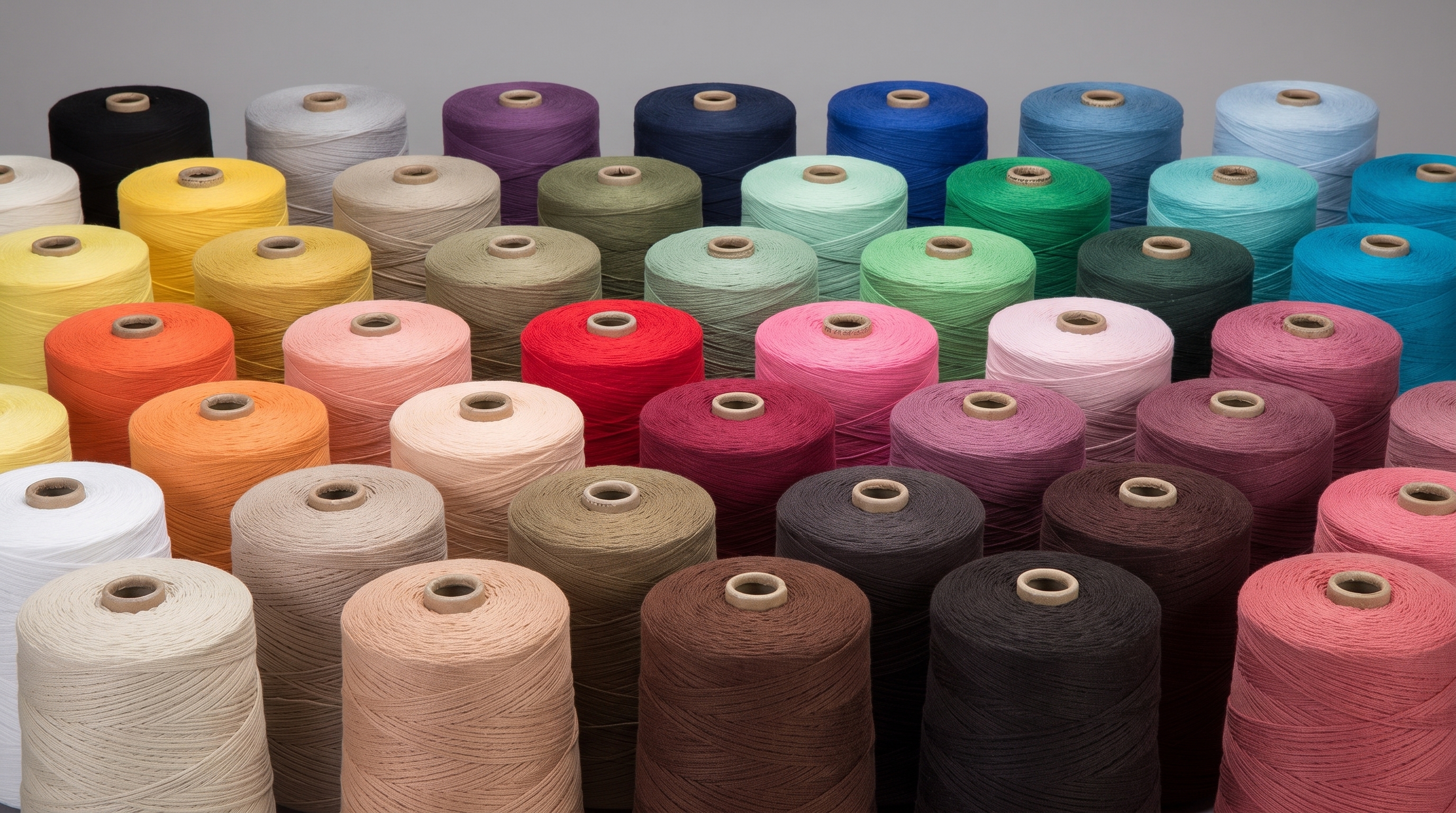
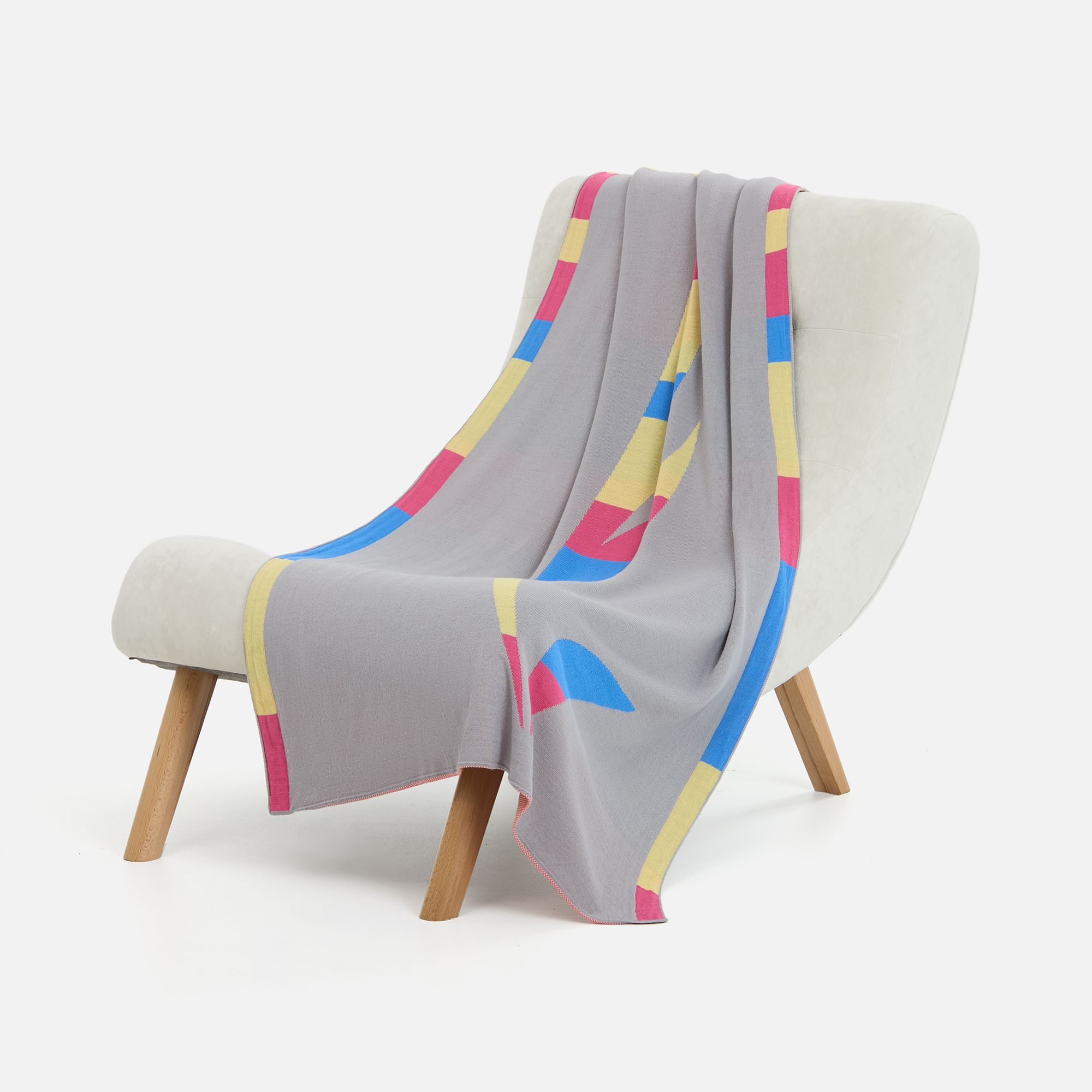
A jacquard blanket normally uses up to four colours in one product.
Where is the order produced?
Production is based in Armenia, with delivery to Europe, the USA and CIS countries.
Sources and editorial basis
- KNITFORM — Reviewed by the KNITFORM production team, 2026.
- KNITFORM yarn and colour specification
- KNITFORM production cases and finished products
Technical and regulatory requirements must be rechecked for the specific product, market and shipment date.
What computerized knitting machines can do
Discuss a project